
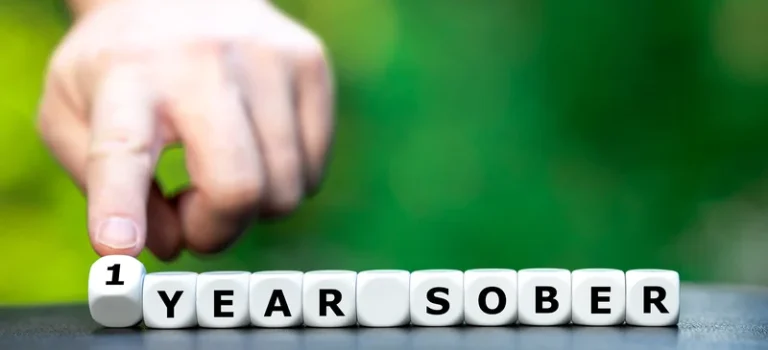
We invite you to share your https://ecosoberhouse.com/ journey of recovery and be featured on Recovery Connection! Fill out the form below and one of our team members will reach out to help you get started. Without the right therapies, support, and treatment plan, it can feel impossible to overcome them.
The Addiction Cycle: What are the Stages of Addiction?

Extreme withdrawal symptoms are experienced by the person going through the addiction. An overbearing and all-consuming need rises within the person to get ahold of the substance to regain happiness and a sense of control over themselves. The three stages of addiction come full circle once a person starts to anticipate or crave the drug’s effects on an ongoing basis. According to the University of Pennsylvania Health System, this stage indicates a person’s thinking, emotions and overall belief systems have become dependent on the drug to cope with daily life. This stage of the addiction cycle, where one goes right back to using substances even after trying to get on the road to recovery, is why addiction is said to be a cycle. The complexity of substance use disorders is such that even today, medical professionals are still trying to isolate the true reason why people suffer from them.

What Are the 4 C’s of Addiction? Understanding How Addiction Develops
Drug and alcohol use alters the way the brain and certain neurotransmitters function. These changes in brain chemistry create addiction, tolerance and withdrawal symptoms, which all lead to cravings. Drug and alcohol addiction research has clearly demonstrated that the addicted brain is chemically and physiologically different from a normal brain. The Twelve-step program idea of addiction being a neurological disorder is critical to understanding its development and the recovery process. For example, according to the National Institute on Drug Abuse (NIDA), prevention programs targeting adolescents reduce the likelihood of substance use by 40-60%. Similarly, the dependence stage offers an opportunity for impactful interventions, including professional detox and therapy, to address the physical and psychological reliance on substances.
Try Therapy Online with
- In some cases, substance misuse first occurs if the person is using the drug to self-treat mental or physical issues without the advice of a doctor.
- There may not be daily use, but a pattern (like weekend binges or drinking after stressful events) starts to emerge.
- This stage of the addiction cycle, where one goes right back to using substances even after trying to get on the road to recovery, is why addiction is said to be a cycle.
- Nevertheless, in the majority of cases, all of these steps are part of the chronic cycle of addiction.
- The cycle of addiction is a behavioral pattern that includes cravings, using, engaging, and withdrawal symptoms.
- Calls to any general helpline will be answered or returned by one of the treatment providers listed, each of which is a paid advertiser.
In addition to managing a successful family medical practice, Dr. Hoffman is board certified in addiction medicine by the American Osteopathic Academy of Addiction Medicine (AOAAM). Dr. Hoffman has successfully treated hundreds of patients battling addiction. Dr. Hoffman is the Co-Founder and Chief Medical Officer of AddictionHelp.com and ensures the website’s medical content and messaging quality. If you or someone you love is struggling with addiction, getting help is just a phone call away, or consider trying therapy online with BetterHelp. Tolerance occurs when the brain or body of an addict has changed in response to the substance, requiring higher amounts to achieve the same effect. However, many need admission to a hospital or a residential treatment center.

This is almost the end stage, where a person realizes that they have a drug or alcohol use problem. By this stage, the addiction is affecting the person’s finances, social life, and health. In this stage, the user grows extremely dependent on the drugs or alcohol they’re using and they often cannot find any happiness without using the substance. A person becoming dependent on a drug for medical purposes is not an addiction, however. As the brain adapts to the drug, this psychological stage becomes a stepping stone to dependence, the next stage of addiction.
- There is sometimes a perception that addiction is something that either exists in a person’s character or does not.
- Through behavioral therapy, such as cognitive-behavioral therapy for substance abuse, an individual can examine their drug and alcohol use and work on building positive behaviors to stop using.
- These risk factors include depression, social issues and problems, enabling family members or peers, abuse or neglect, family history of substance abuse or other mental disorders.
- These consequences, whether they affect health, relationships, or finances, often become apparent but are ignored due to the overpowering nature of the other C’s.
An addiction is a chronic disease that affects the brain’s reward center, motivation, and memory circuits. The primary risk factor for developing a substance use disorder is a person’s genetics. A person whose family history includes cases of the disease is at a much higher risk of developing a substance use disorder than the public cycle of addiction at large.
- Each piece—control, compulsion, craving, and consequences—fits together to form the bigger picture of addiction.
- Understanding the cycle of addiction is the first step towards finding the right treatment program and getting the support needed for recovery.
- Without the right therapies, support, and treatment plan, it can feel impossible to overcome them.
- Support groups and peer recovery programs (AA, NA, and others) can provide much-needed emotional support, encouragement, and accountability.
- This idea can lead to a belief that a person who is struggling with a substance or alcohol addiction may have had one drink or tried an illicit drug one time and immediately became addicted.
- According to the National Institute on Drug Abuse (NIDA), addiction treatment programs that integrate behavioral therapy and medications show success rates of 40-60% in achieving long-term recovery.
- Tailoring these interventions to each stage addresses specific challenges and maximizes the likelihood of recovery.
- Addiction includes the development of tolerance combined with withdrawal symptoms.
In the case of trying out substances for the first time, there are people who try them out and find they don’t like them, and it stops there. In others, their curiosity remains unsatisfied, and this could get the better of them because they will always wonder what it is about substances that make people so addicted. Recognizing the problem, finding treatment, and building a support network can be life-changing. Contact a treatment provider today to learn more about your treatment options. Recovery Connection is the ultimate addiction recovery resource portal for information on the latest treatments, centers, and programs. Whether you’re looking for treatment or for aftercare options, we can point you in the right direction.
Find A Center Near You
Behavior therapy is a type of psychotherapy provided by a psychologist, psychiatrist, or alcohol and drug counselor. Detox focuses on helping people to stop taking the addicting drug as quickly and as safely as possible. The more risk factors someone has, the more likely drug use will result in addiction.
Psychological Addiction VS Physical Addiction
They start from when the substance is first tried out to the point where recovery appears to have been achieved, only to find out that the urge is simply too great. Addiction is treatable, but breaking the cycle of addiction is not an easy process. Sobriety is a crucial step to overcoming addiction, and research shows that when abstinence is combined with treatment, therapy, and community support, it is more successful. Addiction is a chronic condition that changes the structure and function of the brain, causing psychological and physical dependence. It typically progresses through various stages, each offering the opportunity for intervention and recovery.
